
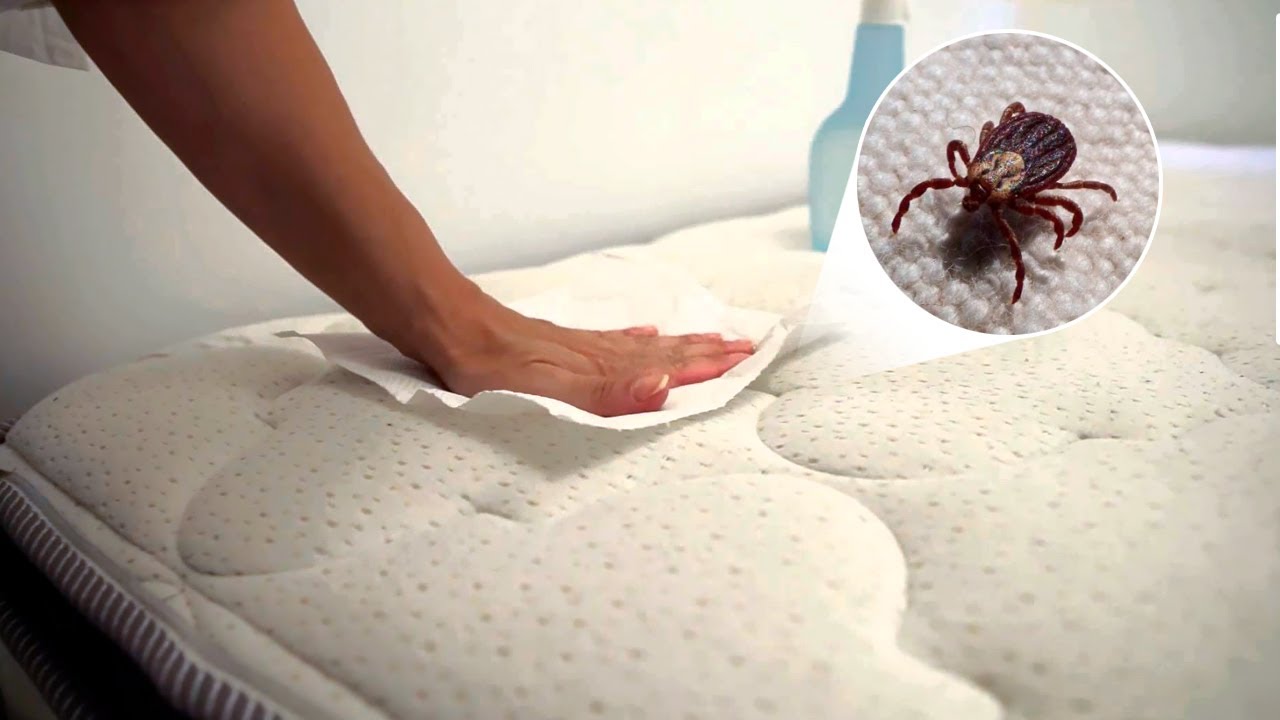
A single mattress can contain between 100,000 and two million dust mites. That number is accurate and, depending on how long since the mattress was last cleaned, the real number in your bed might be at the higher end.
This isn’t a scare tactic. Dust mites are microscopic and they don’t bite. But they produce waste matter that is one of the most common indoor allergen triggers — linked to sneezing, nasal congestion, itchy skin, and worsening asthma. If you or someone in your household sleeps poorly, wakes with a runny nose, or deals with persistent skin irritation, the mattress is worth examining.
In Islamabad and Rawalpindi, the climate makes the problem more pronounced.
Why Islamabad’s Climate Creates Worse Conditions
Dust mites need two things to thrive: warmth and humidity. They feed on shed human skin cells, which every person leaves behind in large quantities during sleep.
Islamabad’s monsoon season (July to September) delivers exactly the humidity dust mites need. Rooms without strong airflow — particularly bedrooms in the inner rooms of larger houses in sectors like F-10, G-11, or residential areas in Rawalpindi — trap this humidity in mattress fiber.
The result is a mattress that becomes progressively more hospitable to dust mites over time. You don’t see them. You don’t feel them. You just sleep worse and wonder why.
What Happens to a Mattress Over Time
In the first year of use, a mattress absorbs sweat, dead skin, and hair. The filling compresses. Dust mite populations establish.
By year two, without professional cleaning, the mattress has accumulated a significant biological load. The surface may look clean — especially with a mattress protector — but the interior is another matter.
By year three and beyond, mattresses that haven’t been professionally cleaned become a genuine allergy problem for sensitive individuals, particularly children.
The weight of a mattress actually increases measurably over years of use due to the accumulation of dust mite matter and dead skin. A mattress cleaned professionally every 6 months maintains its hygiene and often its structural integrity for significantly longer.
Signs Your Mattress Needs Professional Cleaning
You wake up with a stuffy nose that clears within an hour of getting up — this is a classic dust mite reaction pattern. The exposure happens during sleep and the symptoms peak in the morning.
Skin irritation or eczema flares during the night or upon waking. Dust mite waste contains proteins that trigger skin reactions in sensitive individuals.
A musty or stale smell from the mattress, especially after making the bed and warming the room.
Visible staining — sweat, urine, food stains on the surface. These aren’t just cosmetic; they’re organic material that feeds bacterial growth and accelerates dust mite populations.
Anyone in the household has asthma or dust allergies — in this case, professional mattress cleaning every 6 months is not optional.
What Professional Mattress Cleaning Does
A proper mattress cleaning involves several steps that home methods can’t replicate.
Dry vacuuming of both sides removes loose debris and surface dust mite matter.
UV sanitation treatment uses ultraviolet light to kill dust mites and bacteria. This is the step that makes the most difference for allergy sufferers — UV exposure kills mites at the source rather than just removing surface material.
Stain treatment uses targeted chemistry for different stain types — enzyme treatments for organic stains (sweat, urine), solvent-based for oil-based marks.
Dry foam or steam cleaning of the mattress surface, calibrated to avoid soaking the interior (a soaked mattress takes days to dry properly and can develop mold).
Deodorizing spray applied after cleaning to neutralize residual odors.
The entire process takes about an hour per mattress. The mattress is ready for use the same evening.
How Often You Should Get It Done
Every 6 months for households with allergy or asthma sufferers, children, or pets that share the bed.
Every 12 months as a minimum for adults with no specific allergy concerns.
Mattress protectors help — they slow the rate at which the mattress itself accumulates material — but they don’t eliminate the need for professional cleaning. The protector needs washing monthly, and the mattress still needs professional attention twice a year.
The Cost of Ignoring It
Mattress replacement in Pakistan for a decent queen or king size mattress runs into tens of thousands of rupees. A professionally cleaned and maintained mattress lasts significantly longer because the materials aren’t degraded by accumulated biological matter.
Beyond cost, there’s the sleep quality issue. Most people who get their mattresses professionally cleaned for the first time notice an improvement in sleep quality within a week. That’s not coincidence — removing allergen load from the sleep environment has a direct effect on sleep depth and morning wellbeing.
If your mattress hasn’t been professionally cleaned in over a year, book a mattress cleaning in Islamabad or Rawalpindi and see the difference for yourself.